
Methodology

The Performance Multiplier

A Holistic Recruitment Framework for Elite Professional Cycling

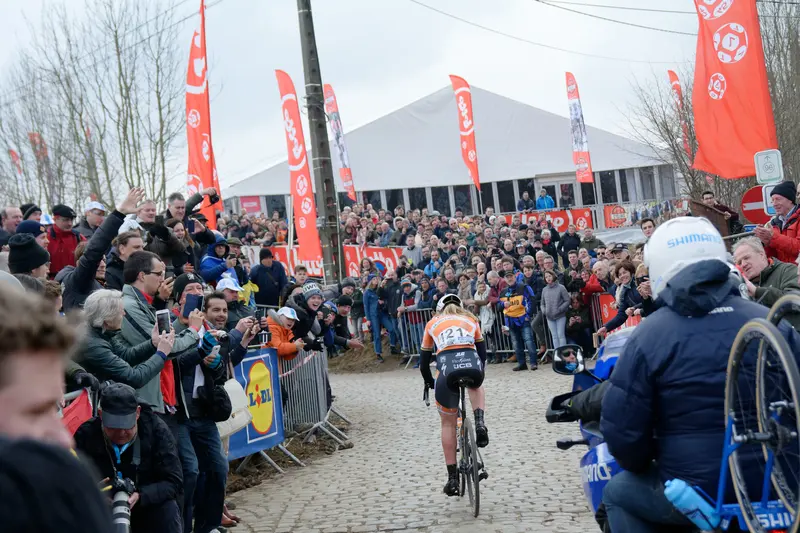
A rider climbing a cobbled hill between crowds of spectators at the Tour of Flanders
Tour of Flanders 2018 · Photo: s.yuki, CC BY 2.0

Overview

Beyond the Engine

Elite cycling recruitment requires more than identifying large engines. Our framework integrates physiology, psychology, and team dynamics to determine who will consistently activate their ceiling.

  1. A

    Performance Ceiling

    Physiological data & competitive analysis

  2. B

    Psychological Multiplier

    Psychometric profiling & utilization

  3. C

    Cultural Integration

    Leadership & team dynamics

Phase A

Establishing the Performance Ceiling

Step 1

Physiological Data Audit

The Price of Entry

Candidates must demonstrate elite biological markers:

  • VO₂ max
  • Lactate threshold
  • Cycling economy
  • Muscle fiber composition
  • Hemoglobin and hematocrit
  • Capillary density and mitochondrial efficiency
  • Body composition
  • Recovery markers (HRV, hormonal balance)

Biological Wastage Analysis

We identify athletes with “world-class engines” who have historically underperformed relative to physiological potential — flagging them for deeper psychological evaluation.
Step 2

Competitive Historical Analysis

We examine race data to distinguish engine capacity from psychological activation.

We assess:

  • Tactical consistency and role execution
  • Evidence of social labouring (team-first effort)
  • Inhibitory control under race stress
  • Performance in “Red Zone” moments
  • Emotional reactivity patterns
  • Late-season motivational decay
  • Year-over-year developmental trajectory

Elite candidates demonstrate:

  • Stable pressure performance
  • Low emotional volatility
  • Cognitive reframing of discomfort
  • Sustained season-long output
  • Radical responsibility for development
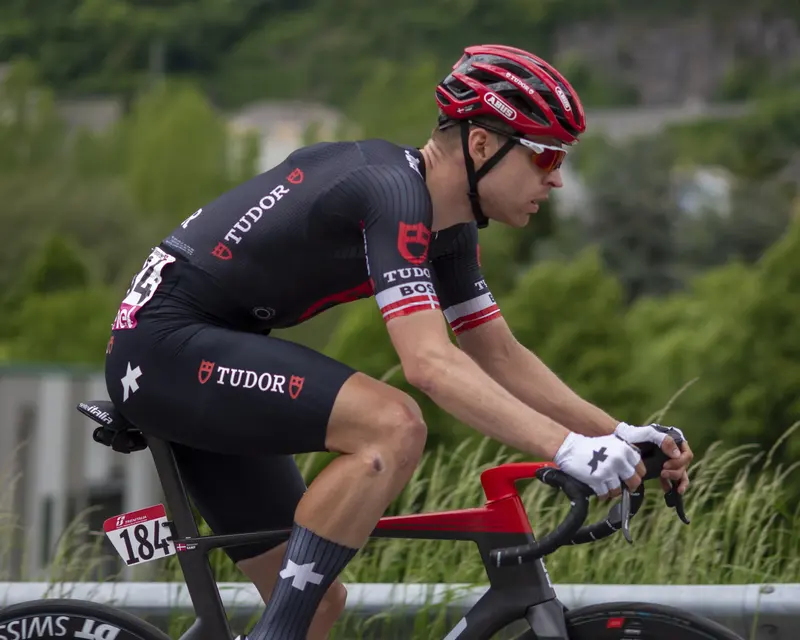
A professional rider racing in the drops, focused on the road ahead
Alexander Kamp, 2024 · Photo: Krrypton, CC BY-SA 4.0

Phase B

The Psychological Multiplier

Once the ceiling is confirmed, we measure utilization rate.

Step 3

Structured Psychometric Profiling

We assess the Three Pillars of the Elite Mindset:

  1. 1Intrinsic Drive & Self-Efficacy
  2. 2Long-Term Orientation
  3. 3Self-Awareness & Developmental Ownership

Validated instruments and structured interviews determine:

  • Belief stability
  • Mastery commitment
  • Learning orientation
  • Response to criticism
  • Motivational durability

This phase identifies whether the athlete consistently activates their physiological engine.

Phase C

Cultural Integration & Leadership Potential

Cycling presents a central paradox: individual ambition within collective dependence. We evaluate whether the athlete resolves this tension.

Step 5

Behavioural Screening

We assess potential for:

  • Social labouring
  • Role flawlessness (domestique execution under cost)
  • Peer support behaviours
  • Communication competence
  • Identity alignment

Step 6

Leadership & Idealized Influence Assessment

Even non-captains influence culture. We evaluate:

  • Transformational potential
  • Leading-by-example behaviour
  • Willingness to sacrifice
  • Team identification strength
  • Cultural congruence

Athletes high in team identification are more likely to expend voluntary effort for collective success.

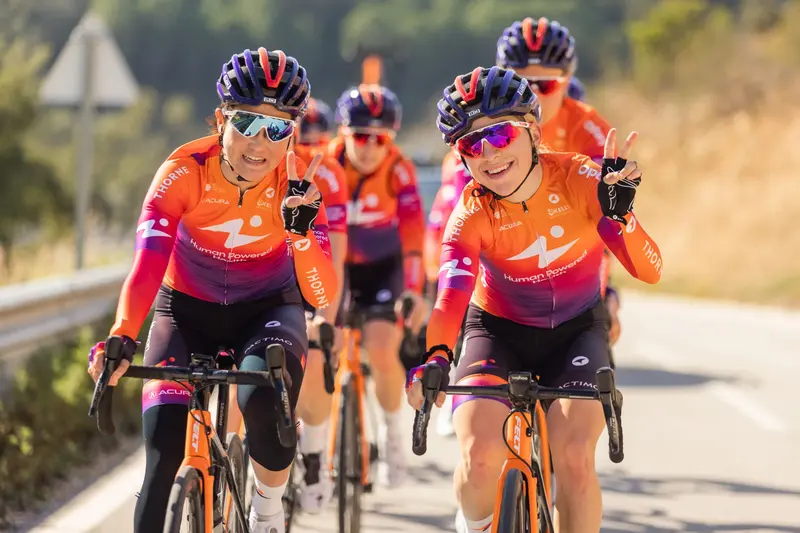
Riders of the Human Powered Health women’s team smiling as they ride together
Human Powered Health women’s cycling team · Photo: Sirbikesalot, CC BY-SA 4.0

Step 7

Recruitment Decision

Selection is made by identifying athletes whose Psychological Multiplier is sufficiently strong to consistently activate their Physiological Engine within a high-performance team culture.

This integrated approach reduces investment risk and enhances sustainable elite success.